
Smallmouth have a reputation in fishing lineage for packing a huge punch. Looking to cash in on the action? Here’s your guide.
Are Largemouth and Smallmouth the same?
No, not really. 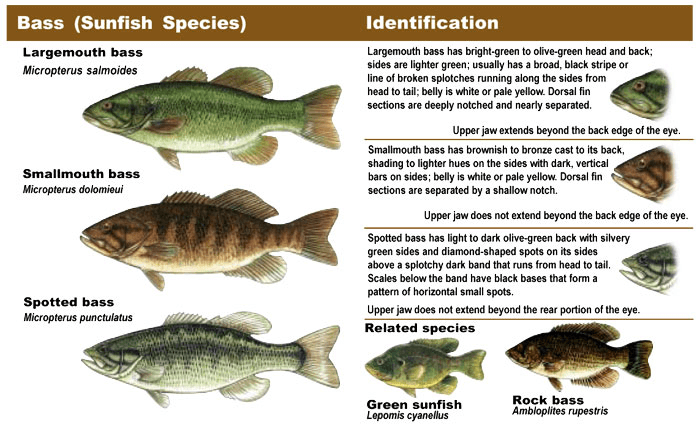
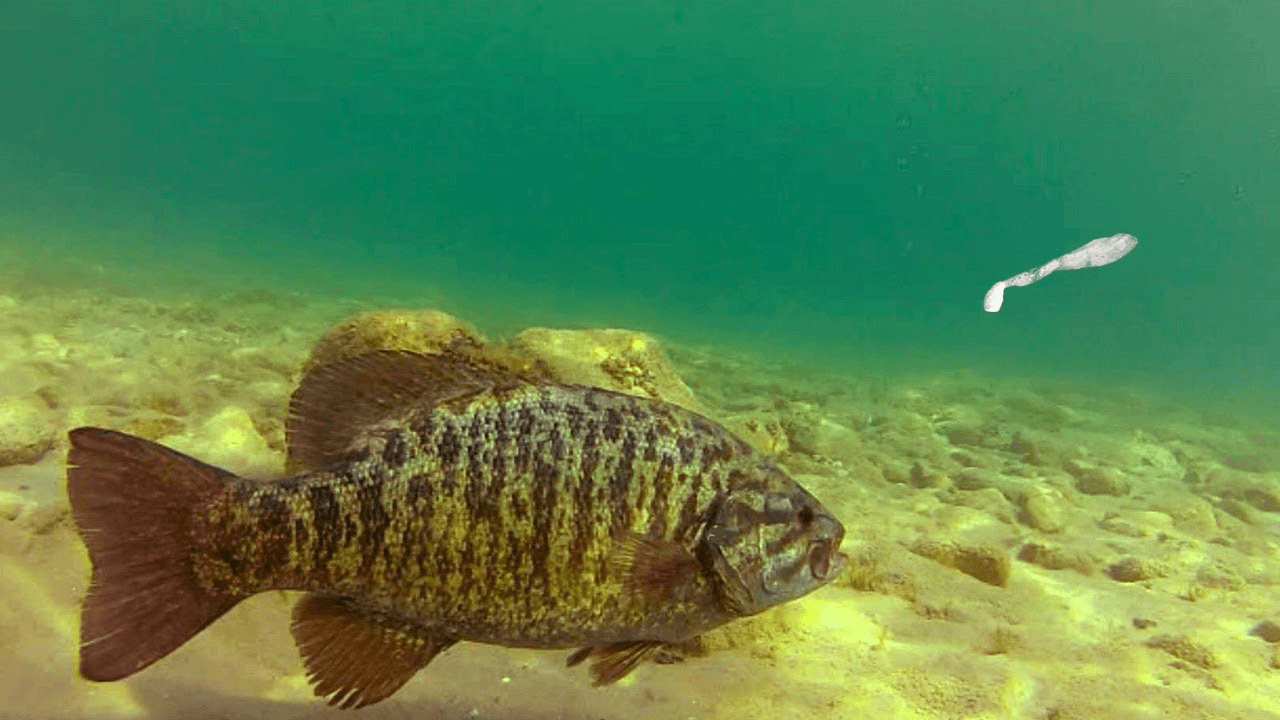
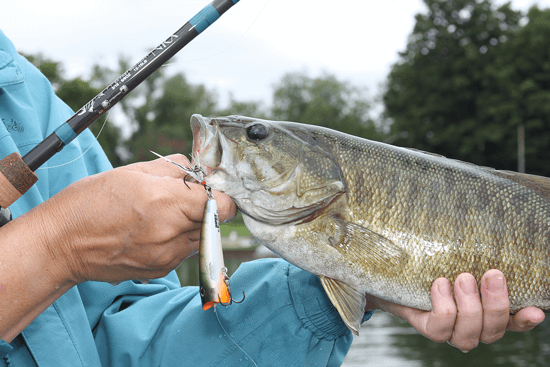
Long identified as the vaguely underrated cousin to the mighty Largemouth, the Smallmouth Bass (Micropterus dolomieu) is really a different animal entirely, biologically speaking. Significant physiological differences appear at first glance - most notably the depth of the mouth, which extends much farther on a Largemouth. Color is another key identifier - smallmouth will range from dark green, to brown with black accents. Largemouth bass are distinctly green, with white/beige underbellies. Also look for a series of vertical stripes spanning the side of a smallmouth - largemouth bass will have a single wide stripe running lengthwise.
 Where Can I Find Smallmouth?
Smallmouth bass love moving water. Use this as your key identifier when looking for them. In a lake, you’ll often find them at the confluence of a small stream - sitting in the current, feeding off whatever floats down (usually bugs). You’ll often find them upriver or upstream, as well. The biggest fish will be somewhat lazy - target them sitting in calm spots, waiting for food to float by in a current. In both of these situations, topwater can be a killer option. And don’t be afraid to go with some smaller, flashier baits to trigger reactionary strikes.
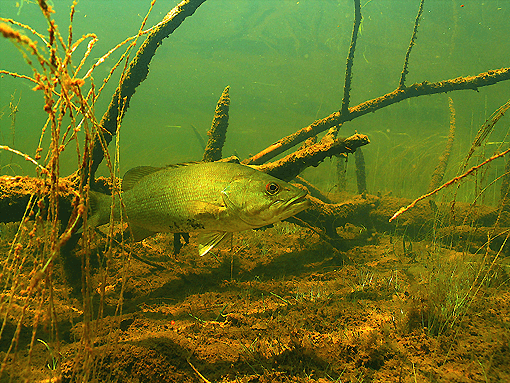 If your lake is a pretty placid situation, look to deep water with cooler temperatures. They like low cover, often man made - and will gather around natural formations in the lake. Go deep with your lure selection once you find the fish. A texas or drop-shot rig will get you right down to their level, and let you cover a ton of ground.
Best Smallmouth Lures?
One of the funnest parts about smallmouth fishing, is that your entire tackle box comes into play.
 Crankbaits are a great option. You can throw a shallow version to find some clusters of fish, then go deep to hit them right where they’re sitting. Ideally, you want something that can run right along the rocks at the bottom.
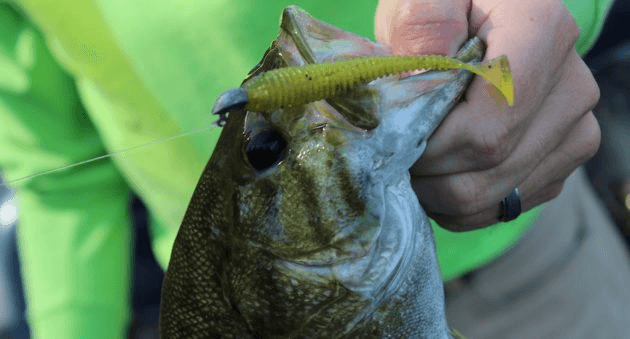
If we’re talking about going deep, soft plastics are perfect. Get a tube or small worm on a texas, or drop shot rig. Throw it deep, and wait for fish to strike. Use natural colors, matching whatever the forage of the lake is.
 Spinnerbaits will get a crazy reactionary strike from the fish. Use a small rooster tail in a river situation - go even bigger in a lake, and use something with a skirt. The water displacement and flashing action will get smallmouth to hit hard.
Topwater can be hit or miss. You certainly won’t trigger strikes like you would from a largemouth, but that’s not say you can’t see some success. Use something that has a walking action, or a popper to replicate baitfish movement. If smallmouth are sitting shallow, there’s a great chance you’ll be able to draw some strikes.


