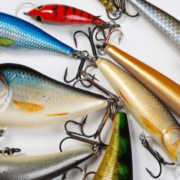
Bass Lures: Choosing the Right Colors
The versatility of bass fishing lures is rivaled only by their variety - walk into any outdoor store, and you’ll see aisle upon aisle of packaging. Dark colors, light colors, sparkly colors, black, white - a neverending spectrum that, if approached without a plan, can be disastrous to your sanity.
Lucky for you, it’s not hard to hone in on the perfect color for your situation. There’s just a few things you need to know first.
What Condition Is the Water In?
When it comes to color selection, water clarity is everything. Catching a fish relies on visually triggering a reaction - and if the bass can’t see your bait, the game is up already!
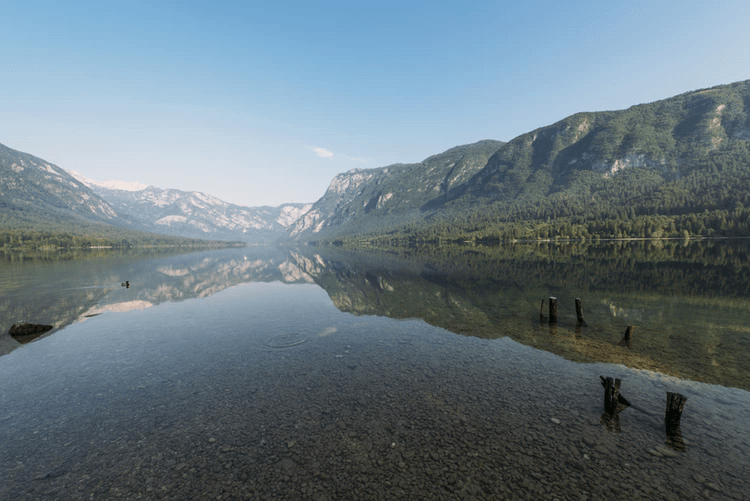
It’s super easy to put visibility on a scale. 0-2 feet of visibility can be classified as “murky” water. 4-6 feet of visibility is relatively clear, but nothing to get excited about. If you can see 8 feet or more into the water, then you definitely find yourself on the upper end of the spectrum.
What’s the Sun Doing?
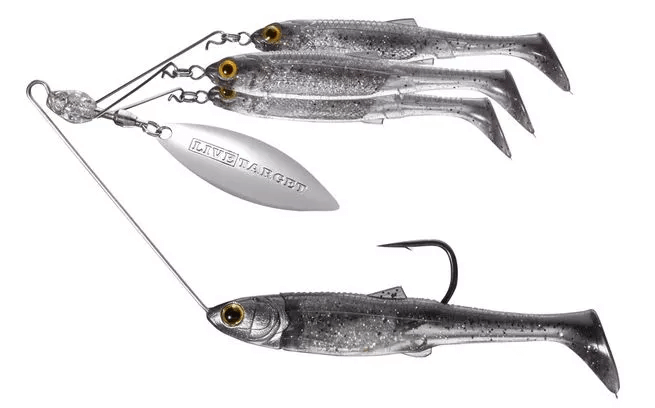
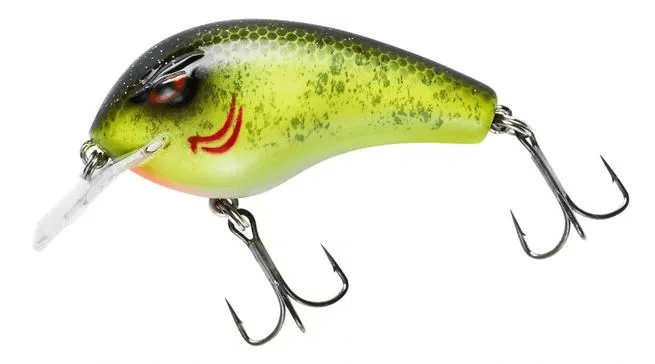
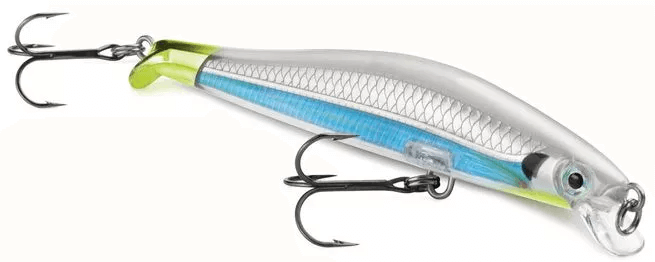
Believe it or not, the sun plays a huge role in choosing the color of your plastics. Sunny days mean better visibility - and the fish have a little clearer idea of what they’re seeing. When conditions are like this, it’s best to try and mimic natural colors and forage. Find out the bass in that lake are feeding on, and pick a similar color pattern. Lighter colors tend to prevail in sunny situations.
When it’s cloudy, or the sun is rising/setting, sometimes the bass can’t see as well. You can play it two ways in this situation. Go super bright, and try to cut through the gloom of the water - sometimes the color mixed with some sparkle is just enough to produce a strike. Alternatively, you can pick a darker color - the idea here being, you present a stronger silhouette for the fish to notice, and track. Both can produce success - just know the lake, and adjust accordingly!
Know the Forage, and Exploit It
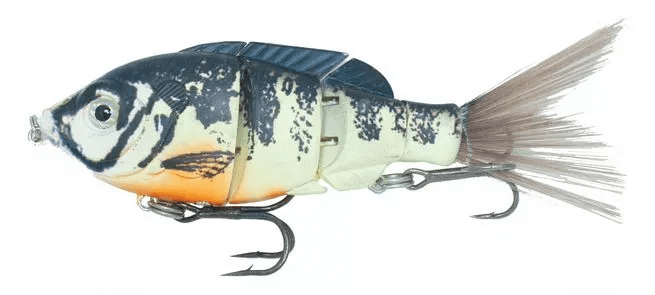
Knowing what the fish are eating is absolutely key. When all else fails, you can always come back to rely on the natural hierarchy of the lake. If bass are eating the live version of it, then it’s pretty fair to assume you can produce strikes by artificially replicating it. Bluegill, shad, crawfish, and frogs are all examples of popular forage foods. Just observe, do some research, and apply that knowledge on the day.
Mix It Up
Never go to the lake without a backup option. Inevitably, you’ll plan for a sunny day and it’ll end up cloudy, or vice versa. Being able to adapt is the only way to keep fishing. Sometimes, your ability to adapt to a split second change in weather might be the difference between a trophy fish - or going home empty handed.
And when it seems like nothing is working, and all else has failed - go crazy. Use something you’d never use. Throw a bizarre pattern. Pick some strange profiles. If you’re not catching fish anyways, there’s really nothing to lose - and you might just end up finding your new favorite color!
Just like anything else in life, fishing is about preparation. If you come prepared, and ready to adapt, you’re in a great position to catch more fish.