
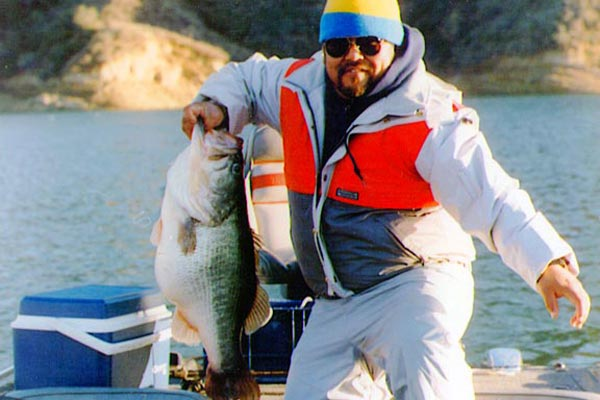
Calling on All Anglers – The Pre Spawn & Why it Matters to You!
Ahhh, Spring. After a dreary and often fishless winter, most anglers look forward to spring as the start of their season. The water warms up, the days get longer, and the fish start biting. What else could you ask for?
Interestingly, every year, some of the best fishing actually happens just before spring launches into full swing. Fish start coming out of their vegetative winter state. Male bass make a bed, find a mate, and then raise a group of offspring. Afterwards, the male either swims to warmer waters, or moves on to mate again.
What is the Pre-Spawn?
As the water temperature rises, so does the metabolic function of the bass. Throughout the winter, they survived on a minimal diet, eating only to survive. As spring approaches, gearing up to a point in which they must mate, food intake becomes a much more important (and instinctual) function.
Bass are actively moving from deeper water into shallower areas - both to find warmer water, and a safe place to build bed down. This migration also comes with a marked change in instinct, and feeding patterns - all of which can lead you to some monster fish.
What to Look For
Pre-spawn fishing can lead to some incredible results. To set yourself up for success, here’s a couple things to look before getting on the water.
1) Pay Attention to Water Temperature
Water temperature is everything, when it comes to spawning. Almost like an alarm clock, it’s what tells the bass it’s time to get moving, and ready to mate. Look for temperatures anywhere from 55-65 degrees. Fish will tend to spawn earlier as you get closer to the equator, where water temperatures rise far more quickly.
2) Get to Shallow Water
Winter fishing is based largely around slow, deep-water fishing. Inherently, the spawn actually drives fish out of deeper water. As they get closer to their mating period, bass will move towards shallow water closer to shore. This provides both warmth, and better protection for their bed. Cast in around 10-15 feet of water, targeting fish as they search for sheltered places to mate.
3) Seek Out Underwater Structures
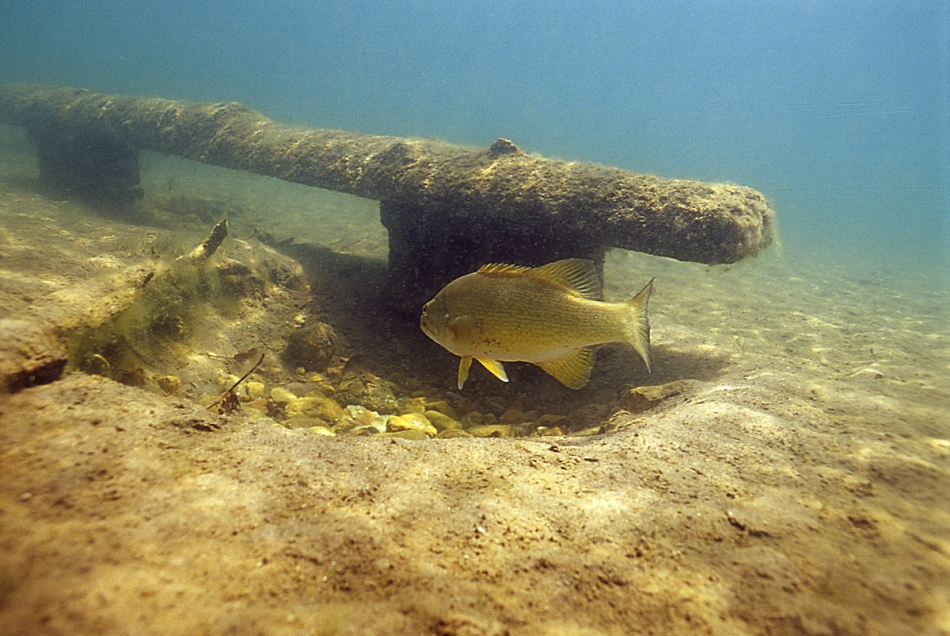
Shallow water is often littered with structures, both natural and man-made. Trees, rocks, sunken boats, and plethora of other objects all provide areas for fish to rest as they migrate. Target a structure, and throw a variety of lures to see what depth the fish are sitting at. A single sunken tree can provide dozens of fish, as the bass move slowly along their shallow migration route.
4) Find Out What They’re Eating
One of the easiest things you can do as an angler is figure out what forage foods exist in the body of water you’re about to fish. What are the bass naturally eating, and have been potentially feeding on all winter? Ask local anglers what the fish like to eat. You can also throw out a pot/trap while you get the boat and rods set. Come back and check the contents right before you launch - and you’ll get a great idea of what little creatures are swimming around, and providing meals for giant bass.
Final Thought from eBaits Tackle Box - Get Out There!
Early spring is by far one of the most exciting, and rewarding times to fish for bass. The fishing can be slow, and you might have to whip out 5 or 6 different techniques - but there are big fish to be found.
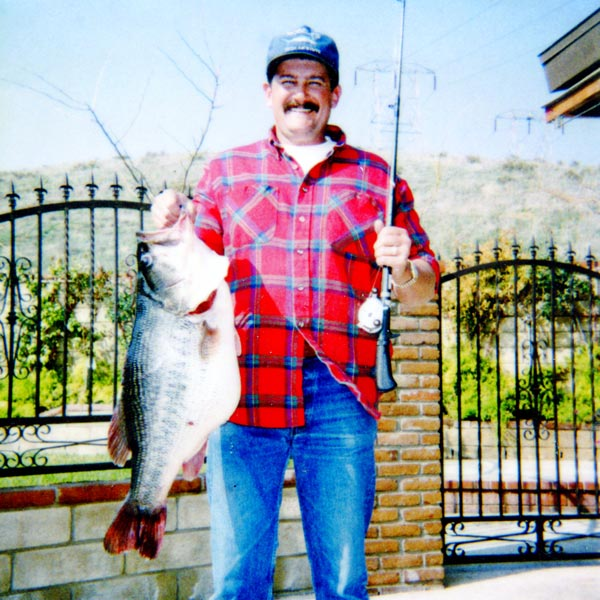
In California, three of the biggest bass ever caught were in pre-spawn lakes. We’re talking 21 and 22 pound fish, coming out of 55 degree water.
So what’s your excuse? Get out there, brave the cold, and hook a monster.


Leave a Reply
Want to join the discussion?Feel free to contribute!